
Our mission
Hafod Lwyfog farm was bought by Sir Clough Williams-Ellis in 1933 to protect it from “lakeside development”.
He was a lifelong conservationist and gifted the top of the farm to the National Trust to campaign for a national park in Eryri (Snowdonia). Clough believed passionately that people need access to the countryside and natural areas to fulfill themselves and find real happiness.
Later he and Amabel gave the lake and lower farm to their daughter Charlotte, on her marriage in 1946 to Lindsay Wallace, a New Zealand serviceman, during World War II.
The couple met when they were completing Ph.D degrees in agriculture at Cambridge University towards the end of the war when he was seconded from the navy. They shared a joint lifelong interest in combining farming and conservation values.
Llyn Gwynant campsite and farm are dedicated to this mission of making a beautiful place productive and widely available, while protecting and cherishing the environment. We aim to care for the land and the wildlife while helping other people enjoy it too.
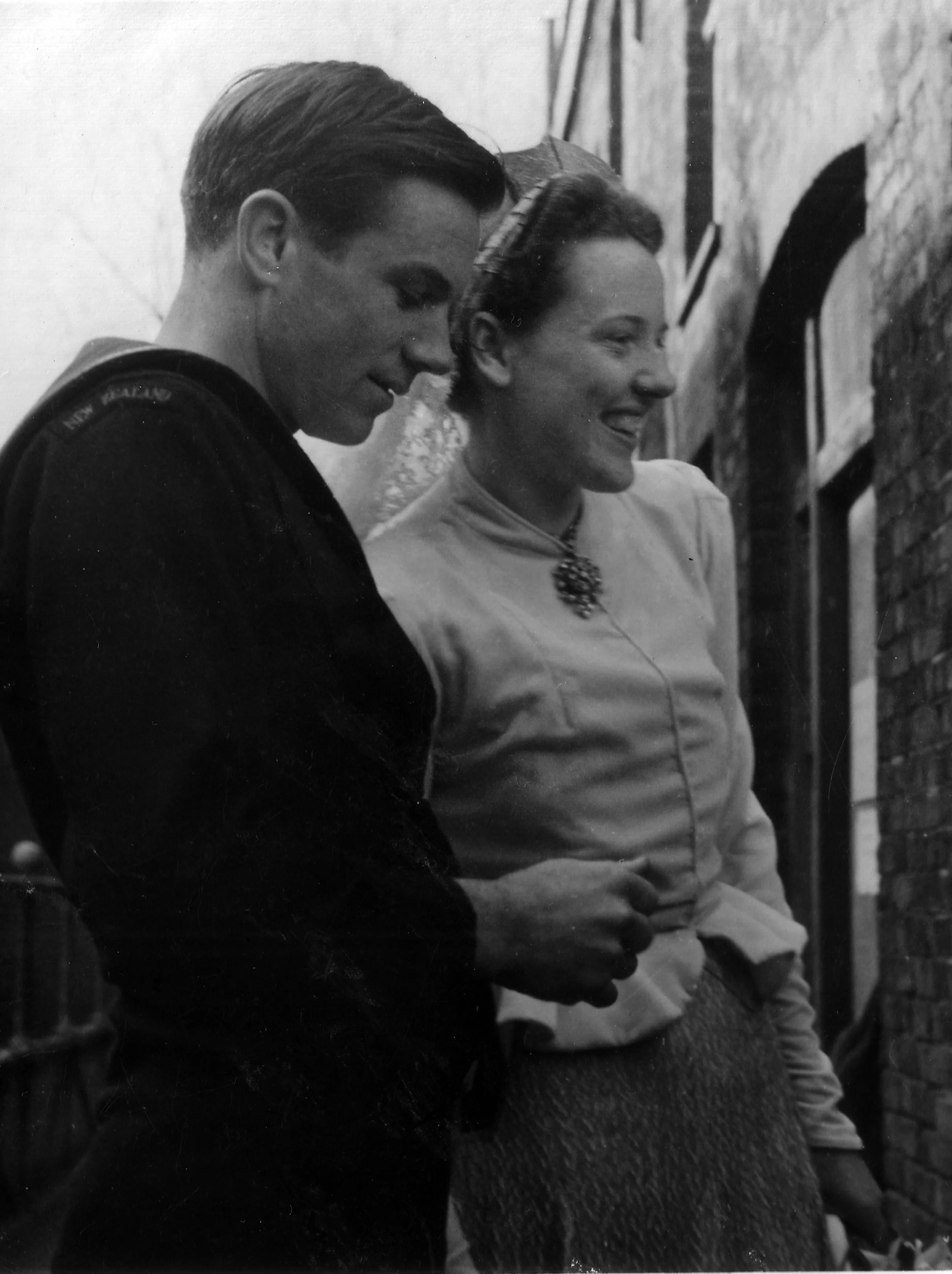
Charlotte Williams-Ellis and Lindsay Wallace on their wedding day, 1946
This area has been occupied by people since ancient times. This is a land of myth and of Merlin and of the Mabinogian, and early Princes of Gwynedd .
The woodland was the source of fuel, charcoal, tannin from bark for preserving leather and other raw materials that were useful. Cleared land became farmed.
The first known written reference to the present farm was in 1536, when the farmhouse was recorded as being the birthplace of Sir John Williams goldsmith to James 1 who was responsible for rebuilding the old house in a grander style than other local farmhouses but one that clearly retained the characteristics of a house on a working farm.
Cattle were raised here during Sir John’s time, near the droving roads on the high moorlands which were part of a major route at that time to the markets of London. More recently agriculture here saw intensive farming of sheep for subsidies, which resulted in overstocking degrading the land occurred here, as it did in so many parts of Wales.
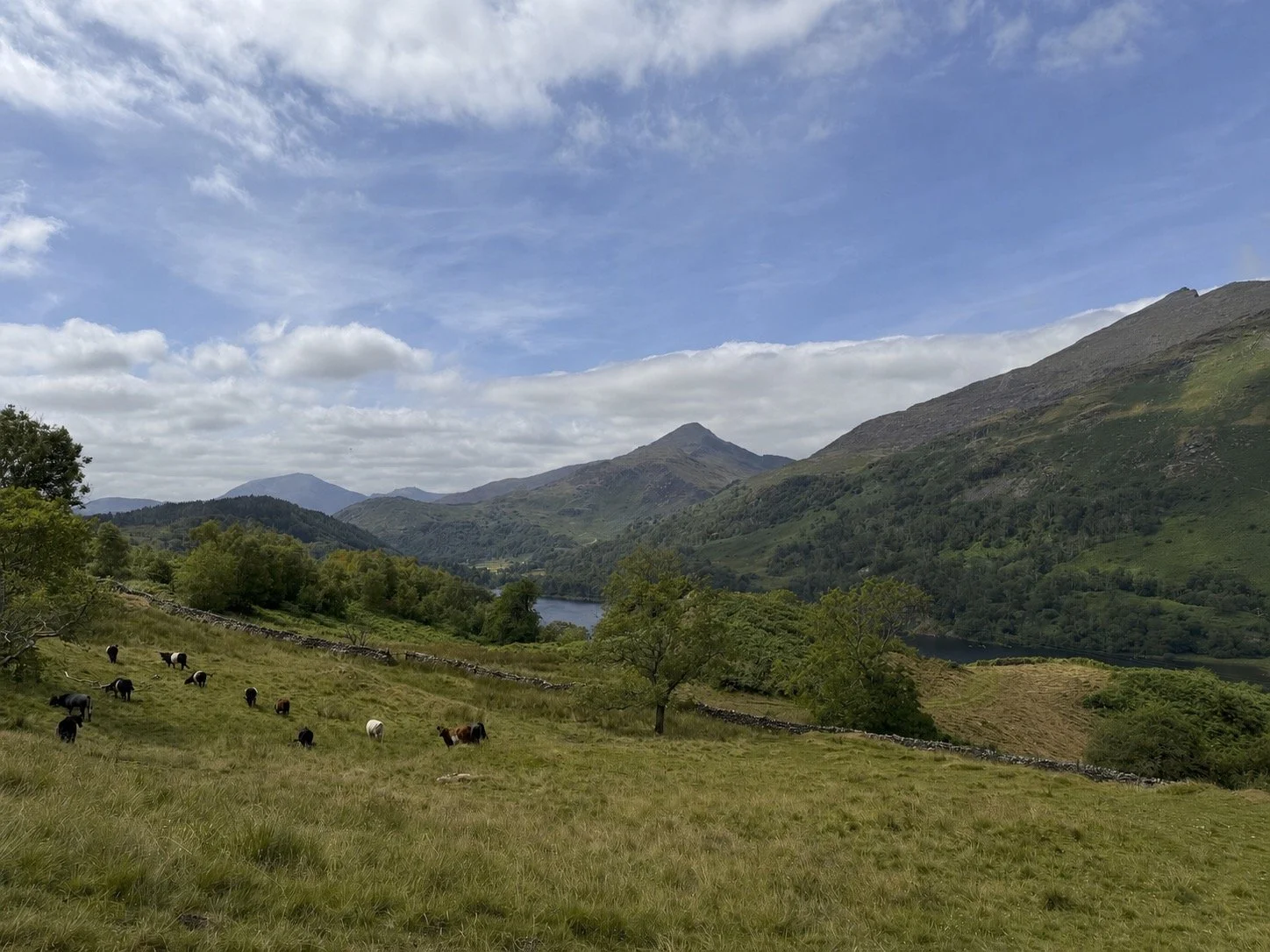
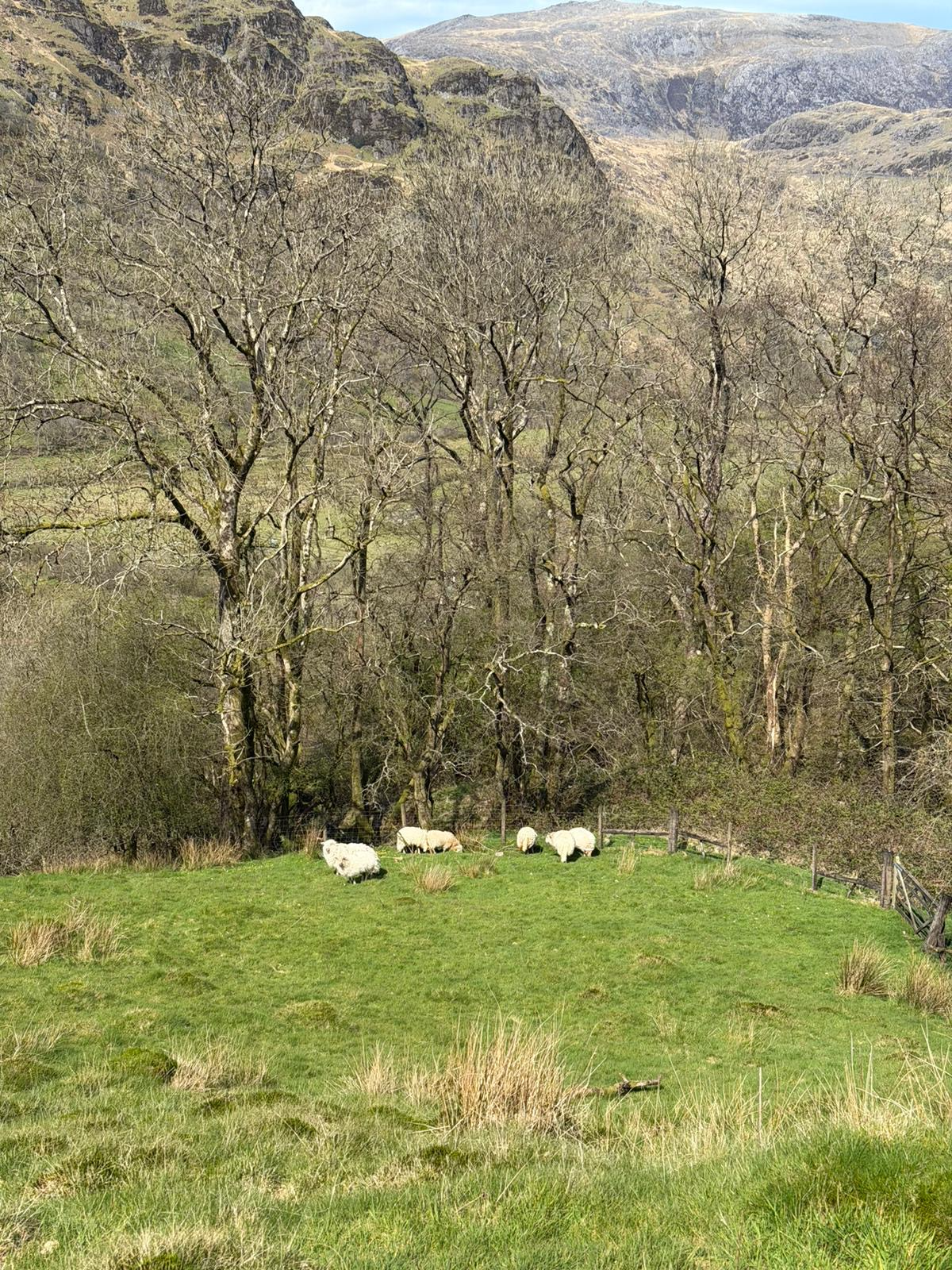
Today we have reduced sheep numbers and high on the mountain cattle will graze the uplands all year round, to help maintain a healthy mosaic of plants.
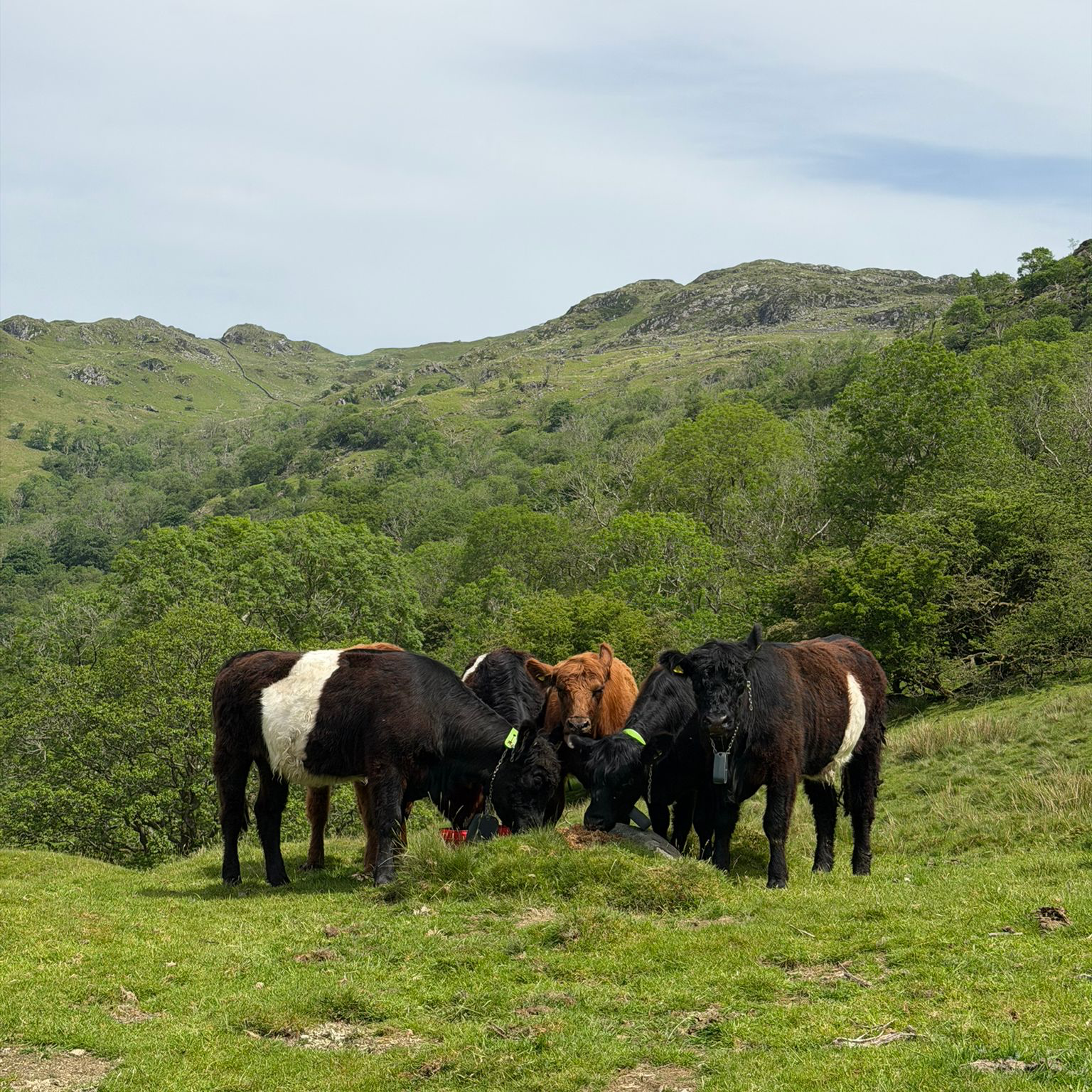
Modern conservation efforts to restore the ecology include planting trees, reducing sheep numbers and introducing cattle to restore soil quality.
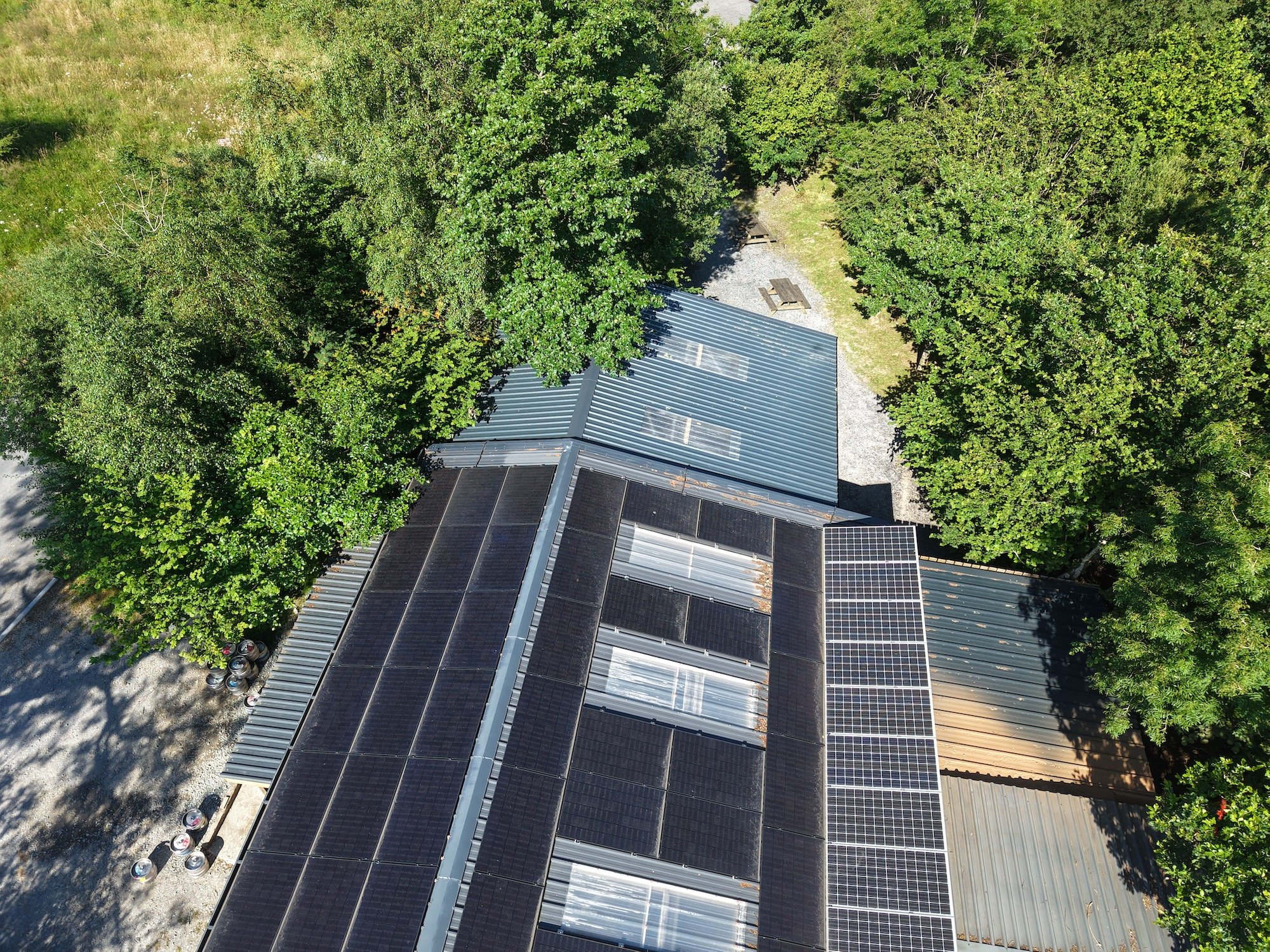
Located in an isolated area, far from council services, our off-grid systems are critical to protecting water and land quality.